Help us tell the story
Do you have photos or memories of nurse-midwives from earlier generations? We’d love to feature them, with permission. Visit the About page to get in touch.

A century of caring for the families others overlooked.
Nurse-midwifery in America began in rural homes and poor communities, where families had few other options.
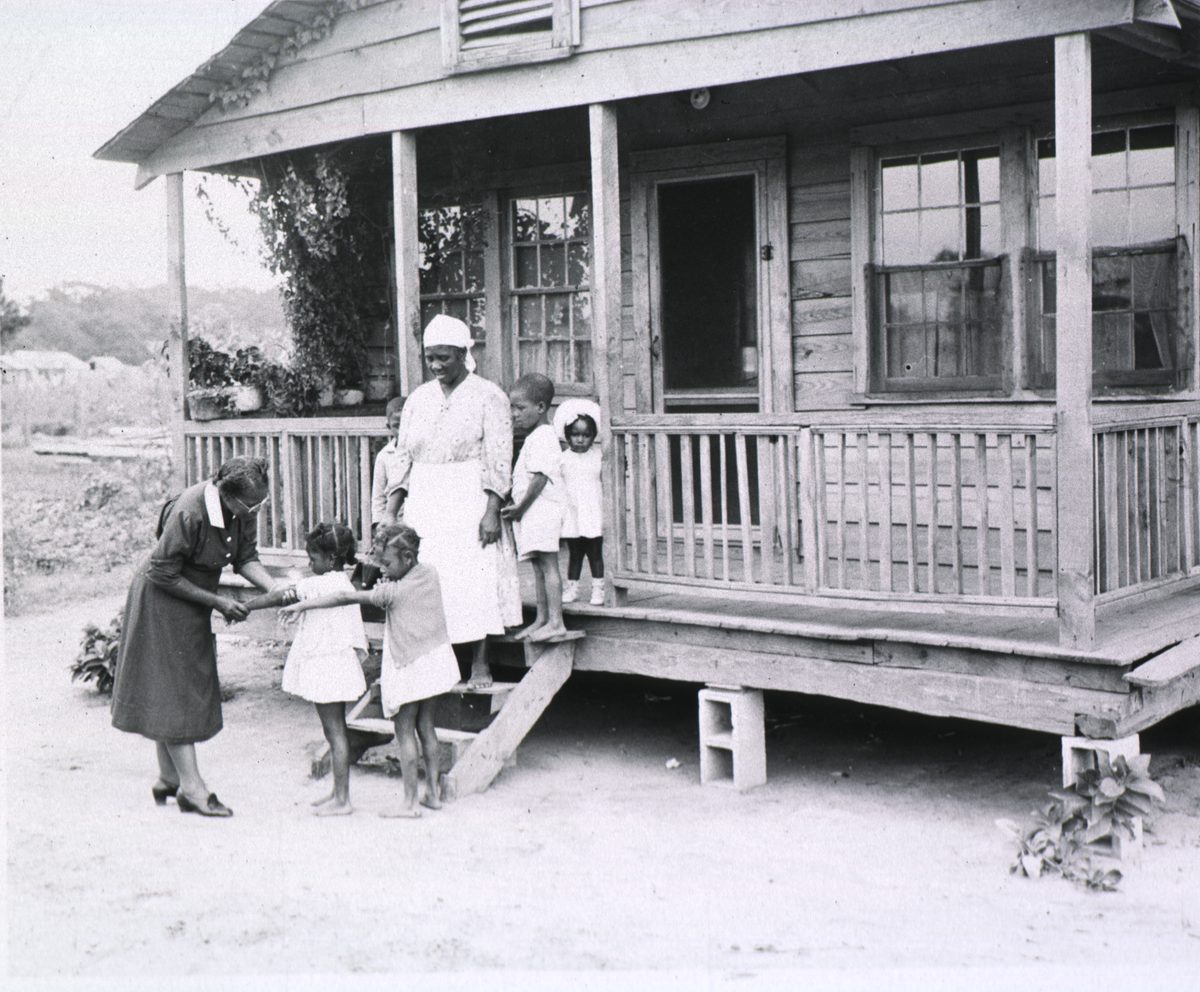
In December 1951, Life magazine published “Nurse Midwife,” W. Eugene Smith’s photo essay on Maude Callen, a nurse-midwife in rural South Carolina. She served the Lowcountry for over 60 years, and was one of only nine nurse-midwives in the state when she arrived. Moved by her story, Life readers donated $27,000 to build the Maude E. Callen Clinic in Pineville, which opened in 1953.
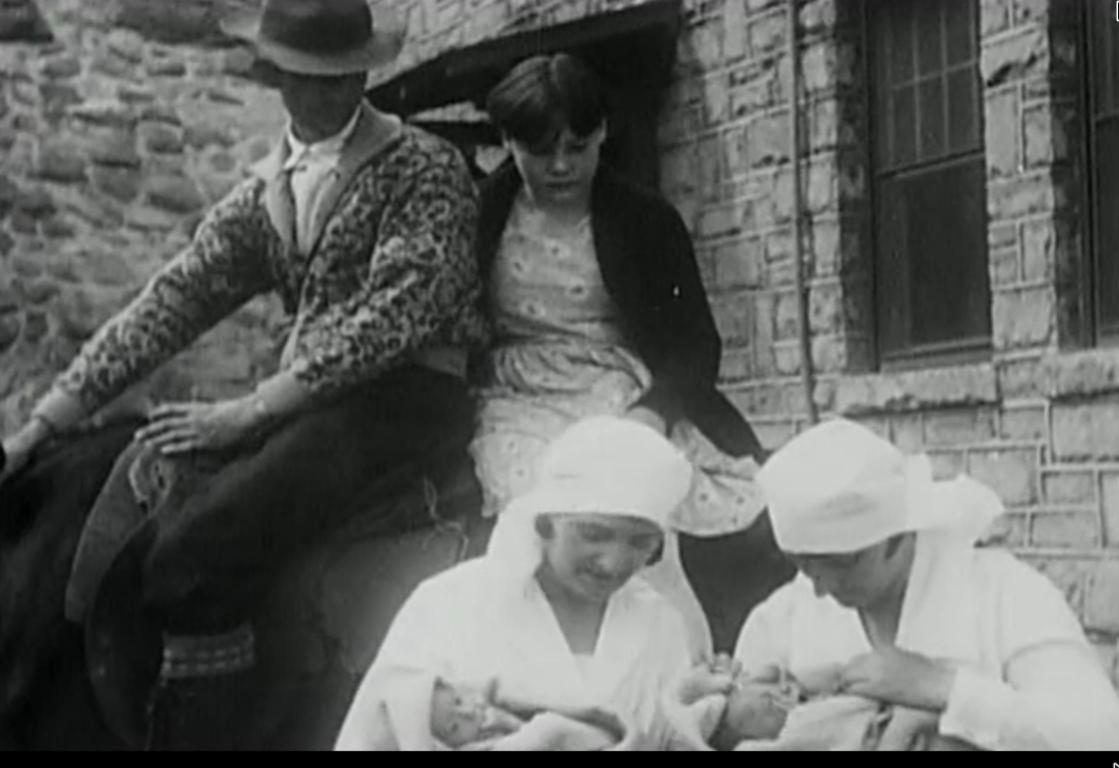
See the photo essay →From horseback in Kentucky to clinics in rural South Carolina, nurse-midwives have always gone where care was needed most.
That work continues today, in the more than one in three U.S. counties that are maternity care deserts.
Do you have photos or memories of nurse-midwives from earlier generations? We’d love to feature them, with permission. Visit the About page to get in touch.
Sources: Kentucky Legislative Research Commission; Maternity Center Association records, Columbia University; Holley et al., JMWH 2024; Napatalung, The Tuskegee School of Midwifery; Canty, Yale School of Nursing; LSU Health New Orleans; Maude E. Callen; Nelson-Atkins Museum of Art; ACNM Records, National Library of Medicine; Childbearing Center, 1975; Jefferson, The Regulation of Professional Midwifery in the United States (2021); March of Dimes (2026); TIME/LIFE, W. Eugene Smith’s “Nurse Midwife”. Photo: still from The Forgotten Frontier (1931), National Library of Medicine (public domain). Photo: E.S. Powell, [Maude Callen], ACNM Archives, National Library of Medicine. All sources.