
At home, in birth centers, and in rural communities for 100 years.
Nurse-midwives are experts in home and birth center birth
Nurse-midwives attend 30% of midwife-attended home births and nearly half of all U.S. birth center births.
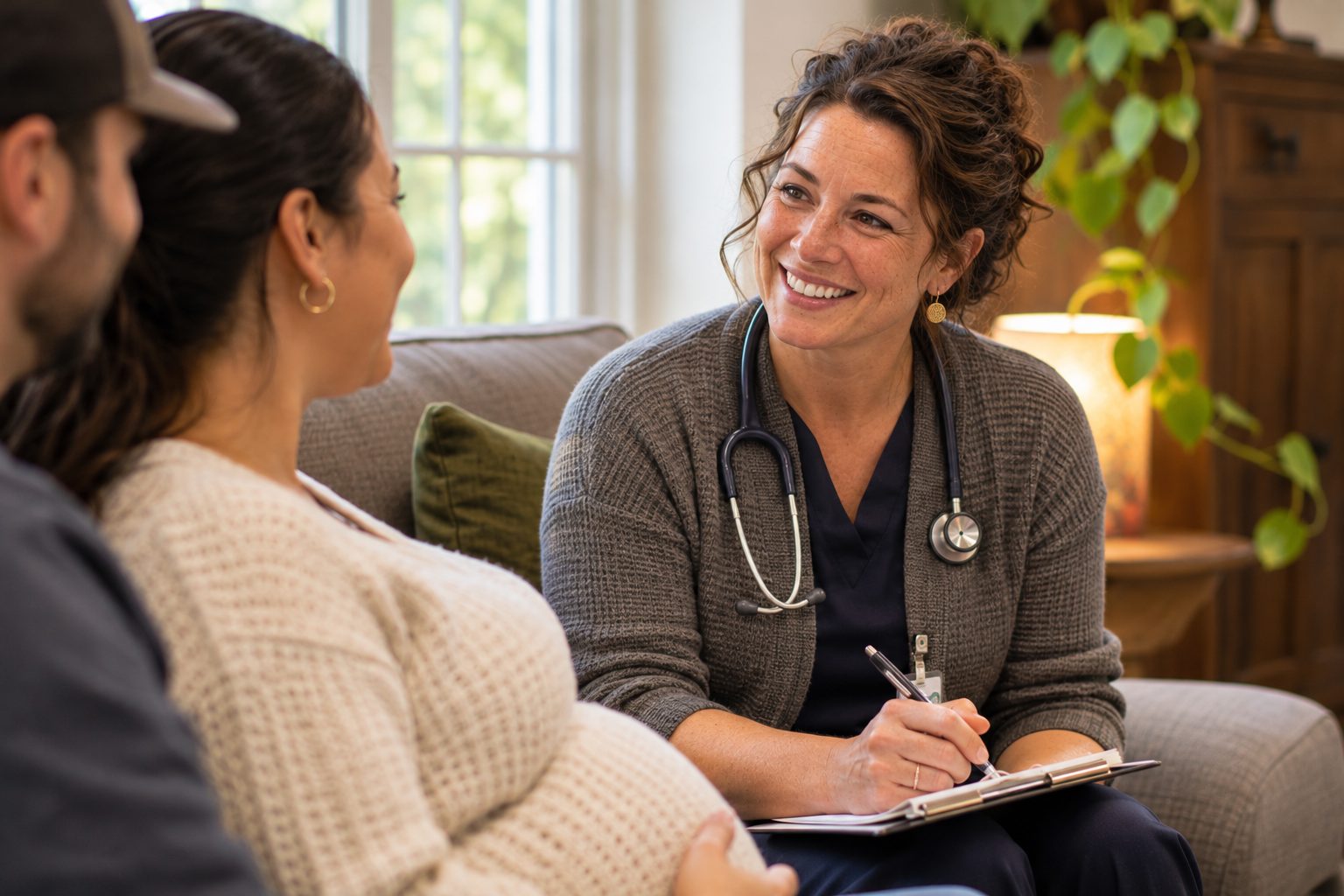
”Nurse-midwives only know hospital birth.”
Community birth is where American nurse-midwifery began. Every nurse-midwife is educated to attend birth at home and in birth centers, and nurse-midwives attend thousands of these births every year.
Educated for every birth setting
Nurse-midwives are nurses first, and professional nursing education includes community and population health, working with families, communities, and public health partners. Every nurse-midwife then graduates from an accredited midwifery program, and every accredited program teaches birth outside the hospital. The national scope of practice for nurse-midwives includes care in homes, birth centers, and hospitals. Not every nurse-midwife chooses to attend home births, but every nurse-midwife is educated for them.
Where it all began
- 1925Frontier Nursing Service nurse-midwives travel on horseback to attend home births in rural Kentucky, sharply reducing infant deaths.
- 1931The nation’s first school of nurse-midwifery opens in New York City.
- 1975Nurse-midwives found the first state-licensed freestanding birth center in the U.S., in Manhattan.
Strong outcomes outside the hospital
The National Birth Center Study II followed care at 79 birth centers, where most care was provided by nurse-midwives.
Among people who planned to give birth in a birth center, most gave birth without surgery.
No maternal deaths were reported in the study.
Excluding anomalies, with a stillbirth rate of 0.47 per 1,000.
Where qualified midwives are well integrated with hospitals, planned home birth for low-risk women carries lower odds of cesarean and other interventions.
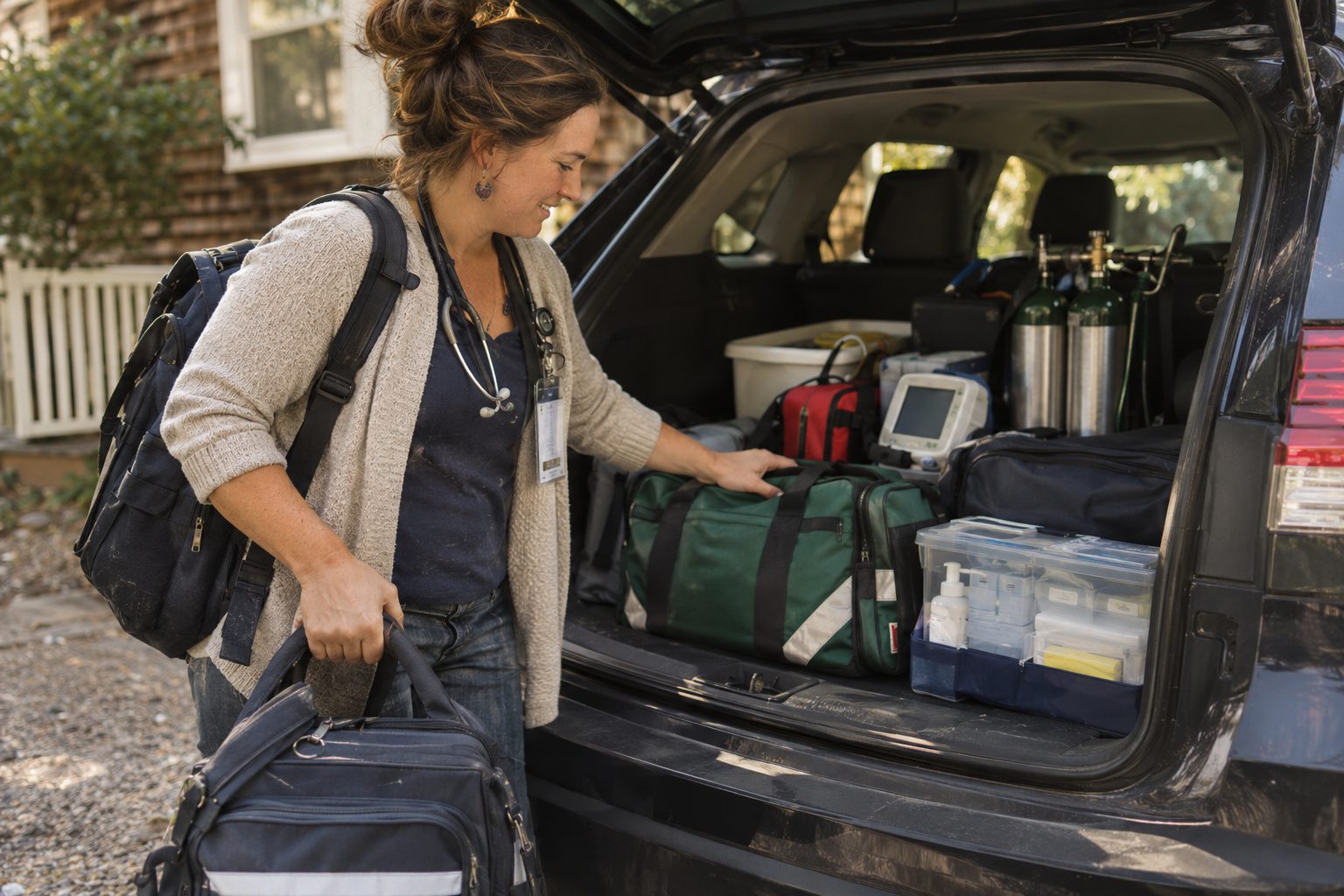
The safety standards nurse-midwives bring
Careful screening
Community birth is offered to people who are good candidates for it.
Informed consent
Families understand their options, benefits, and risks.
A transfer plan
A written plan for moving to a hospital if it’s needed.
For policymakers
Let nurse-midwives serve families in every birth setting, with clear safety standards, informed consent, and a transfer plan.
Sources: AACN, The Essentials: Core Competencies for Professional Nursing Education (Population Health domain); ACNM, Become a Midwife (accredited programs teach birth outside the hospital); ACNM, Definition of Midwifery and Scope of Practice; CDC/NCHS, Births: Final Data for 2024 (place of birth by attendant); CDC/NCHS, Births: Final Data for 2023, Table I (CNM/CM category); Kentucky Legislative Research Commission; Maternity Center Association history; Childbearing Center, 1975; National Birth Center Study II summary; American Association of Birth Centers; Hutton et al., EClinicalMedicine 2019; Reitsma et al., EClinicalMedicine 2020. All sources.